What Is a 3D Dental Lab? How Digital Dentistry Improves Accuracy & Care

What Is a 3D Dental Lab? How Digital Dentistry Improves Accuracy, Comfort, and Results
A 3D dental lab uses digital dentistry and CAD/CAM technology to create more precise crowns, implants, and restorations—helping patients enjoy better comfort, fewer appointments, and more predictable results.

Index

What Does a Traditional Dental Lab Do?

A traditional dental lab plays a vital role in dentistry. It’s where dental crowns, bridges, veneers, and implant restorations are created — usually based on physical impressions taken in the clinic.

In the traditional process:

  • Impressions are made using trays and impression material

  • Those impressions are shipped to an external dental lab

  • Restorations are handcrafted using analog techniques

  • Adjustments often require additional appointments

While this method has worked for decades, it naturally leaves room for small inaccuracies, longer turnaround times, and less direct collaboration between the dentist and the lab technician
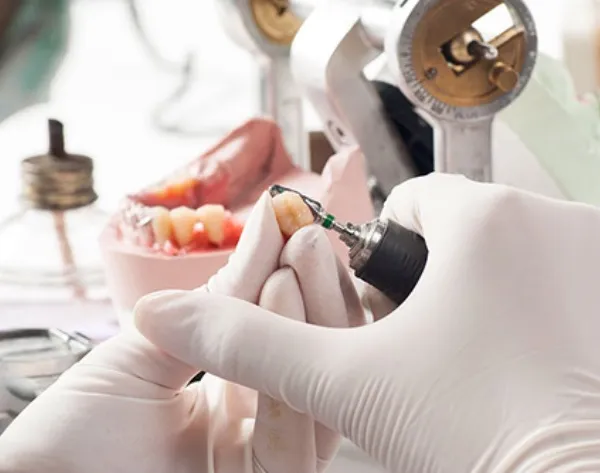
Buy Marathon M4 Dental Lab Micromotor Online At Best Price | DentalKart

What Is a 3D Dental Lab?

A 3D dental lab is a modern dental laboratory that uses digital scanning, CAD/CAM technology, and 3D manufacturing to design and produce dental restorations with exceptional precision.

Instead of relying on physical molds, a digital dental lab works with:

  • High-resolution intraoral scanners

  • Advanced CAD/CAM dental lab software

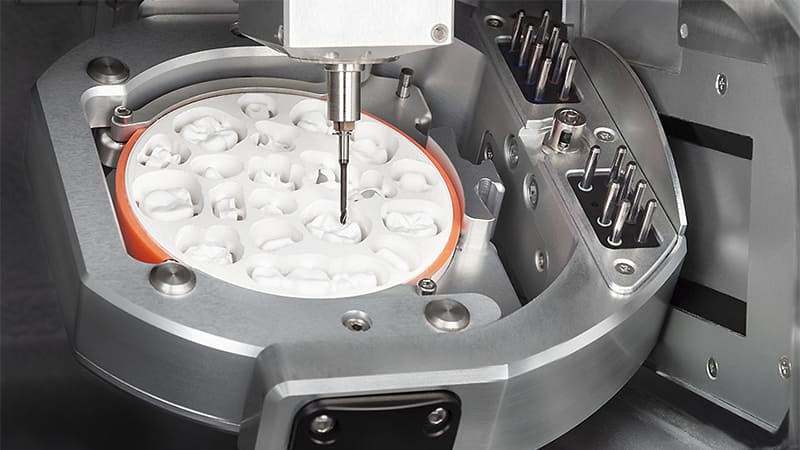
  • 3D printers and precision milling machines

This allows restorations to be designed and produced digitally — often faster, more accurately, and more comfortably for the patient.

According to the Journal of Prosthetic Dentistry and the International Journal of Computerized Dentistry, digital workflows in dentistry have been shown to improve marginal fit, consistency, and predictability when compared to conventional techniques.
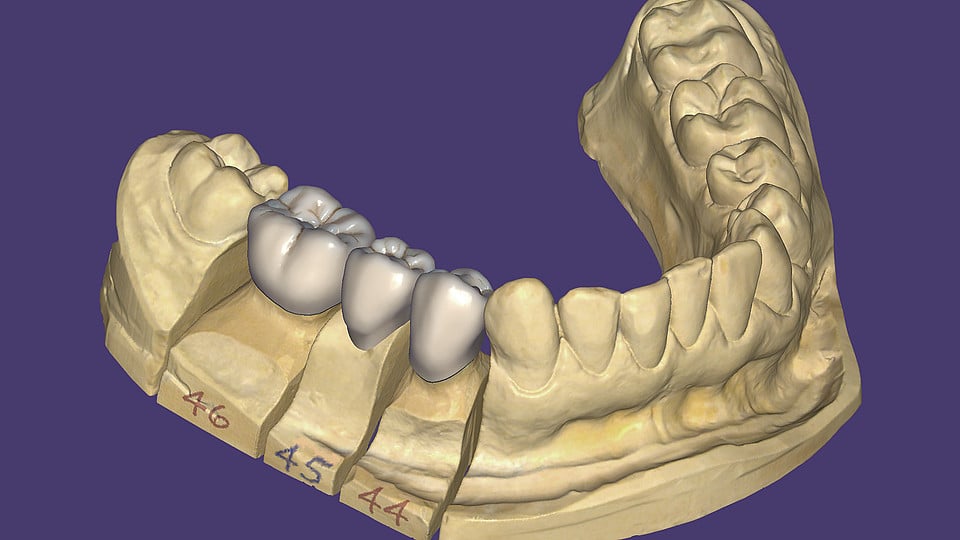
DENTALCAD - OrtoDigital

Dental Milling Machines Vhf S5 | MediMatch Dental Laboratory

How a 3D Dental Lab Works (Step by Step)

Understanding the process can be reassuring — especially if you’ve had dental work before and remember uncomfortable impressions or repeated adjustments.

Here’s how a 3D dental laboratory typically works:

  1. Digital intraoral scan
    A small scanner captures a precise 3D image of your teeth — no messy impression trays.

  2. Digital design (CAD)
    The restoration is designed on specialized software, allowing exact measurements and adjustments.

  3. Collaborative review
    Dentists and lab technicians can review and refine the design together.

  4. Manufacturing (CAM)
    The restoration is milled or 3D-printed using high-quality materials.

  5. Finishing and placement
    Final details are refined before the restoration is placed — often with minimal or no adjustment.

This digital workflow reduces guesswork and supports calmer, more predictable outcomes.

Benefits of a 3D Dental Lab for Patients

For patients, the benefits of a 3D dental lab aren’t about technology for technology’s sake — they’re about comfort, trust, and peace of mind.

Key 3D dental lab benefits include:

  • More precise fit for crowns, bridges, and implants

  • Fewer appointments due to higher first-time accuracy

  • Improved comfort, especially during scanning

  • Shorter treatment timelines

  • More predictable long-term results

The American Dental Association has highlighted digital dentistry as a major advancement in improving patient experience and restorative accuracy — particularly in implant dentistry and full-arch cases.

Why an In-House 3D Dental Lab Makes an Even Bigger Difference

Not all digital dental labs are the same.

An in-house dental lab means the laboratory is physically part of the clinic, allowing dentists and technicians to work side by side — in real time.

This matters because:

  • Adjustments can be made immediately

  • Communication is direct and human

  • Quality control stays within one trusted team

  • Treatment delays are reduced

For patients traveling for care, this collaboration can significantly reduce stress and uncertainty.

Treatments That Benefit Most from a 3D Dental Lab

While most restorative treatments benefit from digital dentistry, a 3D dental lab is especially valuable for:

  • Dental implants

  • All-on-4 and All-on-6 restorations

  • Crowns and bridges

  • Veneers

  • Full-mouth rehabilitation

In these cases, precision isn’t just aesthetic — it directly affects comfort, function, and long-term success.

Is a 3D Dental Lab More Accurate Than Traditional Methods?

Multiple clinical studies have shown that CAD/CAM dental lab workflows often produce restorations with:

  • More consistent margins

  • Better occlusal accuracy

  • Reduced need for remakes

This doesn’t mean traditional dentistry lacks skill — it simply means digital tools help skilled professionals deliver their care with greater consistency and confidence.

For patients, that translates into fewer surprises and a stronger sense of safety throughout treatment.

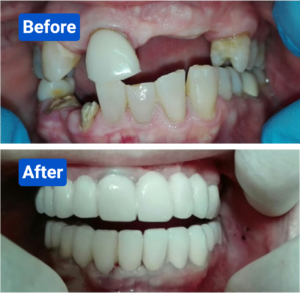
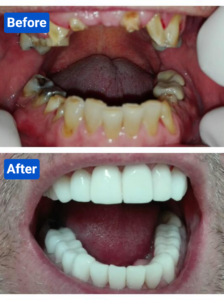
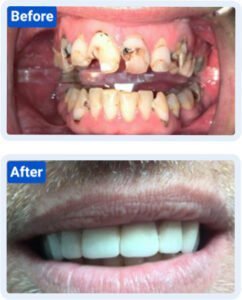
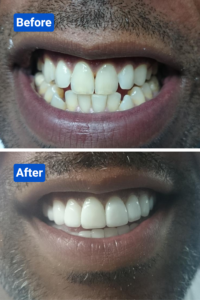
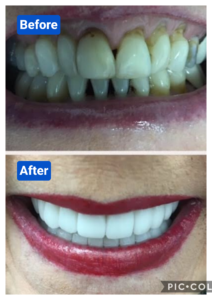
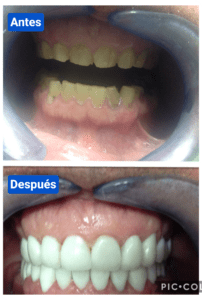
Our Before and After

Our Patients Reviews

A Gentle Final Thought on Technology and Trust

At the end of the day, technology alone doesn’t heal — people do.

A 3D dental lab is not about luxury or showing off advanced equipment. It’s about using the best available tools to reduce stress, improve comfort, and support results you can trust.

When digital dentistry is combined with experience, sincerity, and real human care, it becomes something very simple:
a quieter, smoother path toward feeling whole again.