The Hidden Cost of a Missing Tooth (Most Patients Ignore This)
You lose a tooth… and nothing hurts.
So you wait.
But here’s what most people don’t realize:
👉 Your jawbone starts shrinking almost immediately.
This process is silent—but it changes everything:
- Your facial structure
- Your ability to get implants
- The total cost of your treatment
What Happens After You Lose a Tooth?
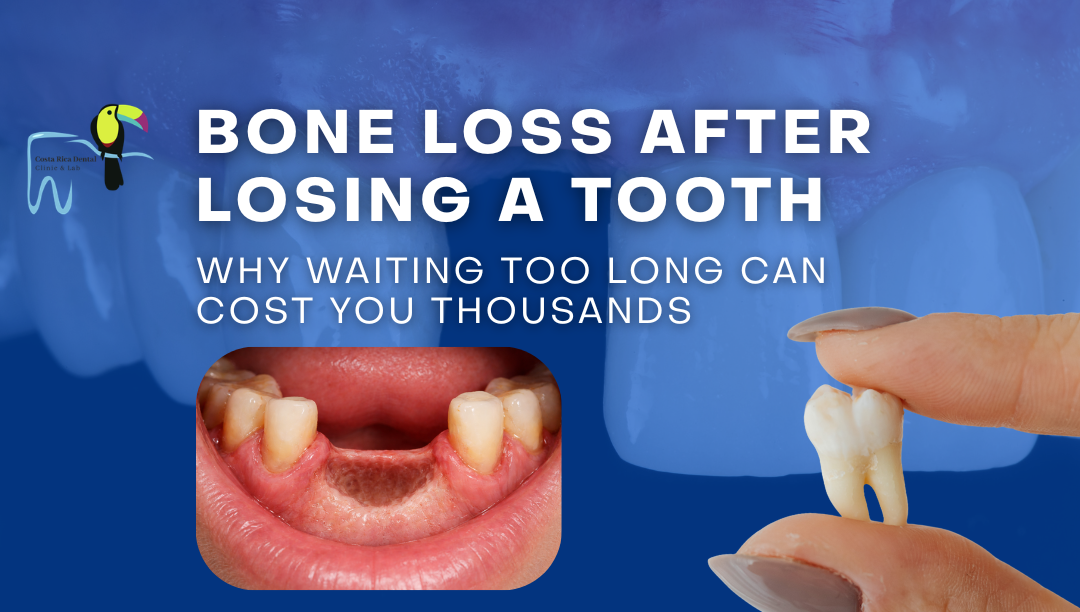
Bone loss (bone resorption) begins when the jaw no longer receives stimulation from a tooth root.
👉 No tooth = no stimulation = bone deterioration
Your body simply “reabsorbs” the bone because it thinks it’s no longer needed.
🕒 How Fast Does Bone Loss Happen After Losing a Tooth?
- Starts within weeks after losing a tooth
- Up to 25% bone loss in the first year
- Most critical loss in first 3–6 months
👉 Waiting even a few months can change your treatment options.
Missing Teeth Consequences (Long-Term Damage)
1. Facial Collapse (Premature Aging)
When bone shrinks:
- Cheeks sink inward
- Lips lose support
- Wrinkles become more visible
👉 This is why missing teeth can make you look older.
2. Teeth Shift and Bite Problems
- Adjacent teeth move into the gap
- Bite becomes uneven
- Jaw pain or TMJ issues may appear
3. Difficulty Chewing and Nutrition Issues
Patients often avoid:
- Hard foods
- Healthy foods
👉 This affects digestion and overall health.
4. You May Need More Complex Procedures
👉 The longer you wait after losing a tooth, the more likely you’ll need bone grafting.
This means:
- More surgeries
- More healing time
- Higher cost
Do You Need a Bone Graft for Dental Implants?
Short answer: Not always—but often if too much time has passed after losing a tooth.
You may need a bone graft if:
- The tooth has been missing for years
- There is visible bone loss
- The jaw is too thin for implant placement
👉 Bone grafting rebuilds the jaw—but adds time and cost.
Best Solution to Stop Bone Loss: Dental Implants
Dental implants are the only treatment that replaces the root—not just the visible tooth.
Why implants work:
- Stimulate the jawbone
- Prevent further bone loss
- Restore full function and aesthetics
At Costa Rica Dental Clinic & Lab, implants are designed using advanced 3D technology and an in-house lab allowing precise, faster treatment for patients .
💸 Why Waiting Costs You More
Here’s the reality:
👉 If you act soon after losing a tooth, you may only need a simple dental implant.
👉 If you wait too long, you may need:
- Bone grafting
- Additional procedures
- Longer treatment time
👉 Same problem—but significantly higher cost and complexity.
FAQs
How long can you wait after losing a tooth before getting an implant?
Ideally within a few months. Waiting longer increases bone loss risk.
Can bone loss after losing a tooth be prevented?
Yes ,by placing a dental implant early or using bone preservation techniques.
Is bone grafting always required for implants?
No, only when bone loss is significant.
Can I get dental implants after years of missing teeth?
Yes but you may need additional procedures like bone grafting.
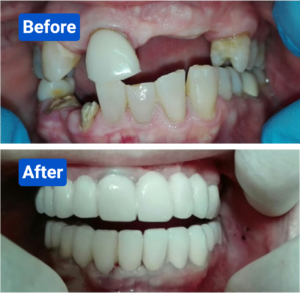
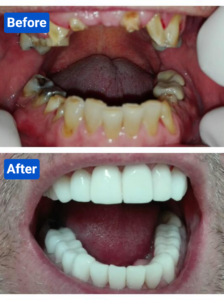
Our Before and After
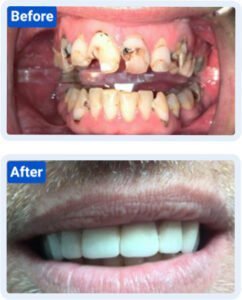
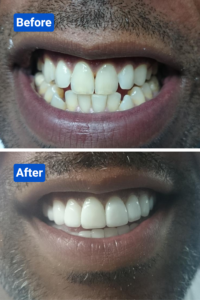
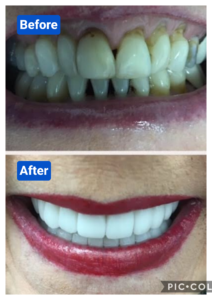
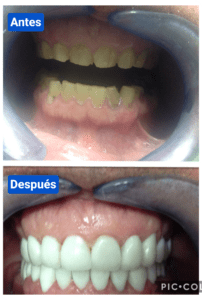
Our Patients Reviews
Publicado en Google
 lilly rivera
Trustindex verifica que la fuente original de la reseña sea Google.
Una belleza de personal. Todos te dan la confianza que uno necesita, los recomiendo 100 %.. Yo tenia muchos nervios,pero no fue nada, los doctores y el personal te dan esa confianza que necesitas. Contando los días para .regresar. Muchas gracias a todo el personal.Publicado en Google Paradise GourmetGreat service!! Had crowns done 7 years ago and just went back with partner to get crowns done. They are the nicest people and do a great job.Publicado en Google
 Allan CI had dental treatment at the CR Dental Clinic and Lab for the second time. When I first visited the office in 2019, I had a number of ceramic crowns done. They continue to be comfortable with no difficulties or surprises. In February 2024, I had a dental bridge done to repair a gap in my lower molars. This procedure was equally successful. The work was so precise that it's impossible to see that there is a bridge in place. I highly recommend this dental practice. The office has a amiable staff, and each patient is treated respectfully and professionally.Publicado en Google
 Allen Weinbergthe people are great and worth the trip to save lots of money, not done yet but doing good !Publicado en Google
 roger cortesSuper nice and very dedicated professionals. I received and implant and got the best service, as all their focus was on me. Great pick up service to and from airport the clinic and hotel. Fantastic real pricing on my budget. I recommend them to everyone I know. Roge: Orlando FloridaPublicado en Google
 John SessaI needed both a Root Canal and a Crown. Francisco, the owner, greeted me at the door and could not have been more friendly and more accommodating. I was seen exactly at the time of my appointment. No waiting. The dentist, Dr. Andrea, who is an Endodontist, spoke English, and explained what she would be doing that afternoon. She had 15+ years dental experience. She did an efficient job on my Root Canal. I had no pain. I felt very relaxed due to the sanitary and professional environment. It's a newly built office space. State-of-the-Art equipment and furnishings. As an American who expects professional service, Dr. Andrea did an excellent job. I highly recommend the Costa Rica Dental Clinic.Publicado en Google
 Jordan Johnson10/10 would highly recommend and will be returning! 🦷✨Publicado en Google
 SauliusI flew in from the US, as the clinic came recommended from a friend of mine. I also did research on other clinics in Costa Rica, but this one gave better prices - plus I noticed that the other ones geared to foreigners / medical tourists - are not owned by dental professionals themselves, but by business men / marketing professionals. My upper front teeth unfortunately needed crowns (I destroyed them from all the grinding) and I wanted to take care of them before I would need implants. I came in the prior week on Monday, where my teeth were prepared for the crowns, and I was fit with temporary crowns - and then two days later on Wednesday evening I got the Zirconia crowns. The dentist and the lab technician spent many countless of hours working together. They extensively worked on my bite, to make sure that the crowns would not be abrasive and wear down the opposing teeth. After the crowns were ready and fitted - they spent many more hours patiently working on them further doing various adjustments to my preference. Now, I have a beautiful smile, and I tell people I went to the dentist, and they think I got some fillings - nobody seems to realize that my new front teeth are crowns -- and everybody I show and tell - they are impressed and tell me that it looks fantastic.
The Best Time Is Sooner Than You Think
Bone loss doesn’t feel urgent—but it is.
👉 Acting early means:
- Simpler procedures
- Lower cost
- Better long-term results
Waiting, on the other hand, often leads to more invasive treatments.